PROBLEM GAMBLING
Problem gambling is the Elephant in the Room.
Let's Talk about it.
It’s not just the gambler with the problem who’s at risk. Families suffer in silence, often too ashamed to confront the elephant in the room. For every gambler, eight to ten others experience gambling- related harms.
What is Problem Gambling?
Problem gambling, also known as gambling disorder or compulsive gambling, is defined as the uncontrollable urge to gamble despite harmful negative consequences or a desire to stop. It can interfere with a person’s life, relationships and responsibilities.
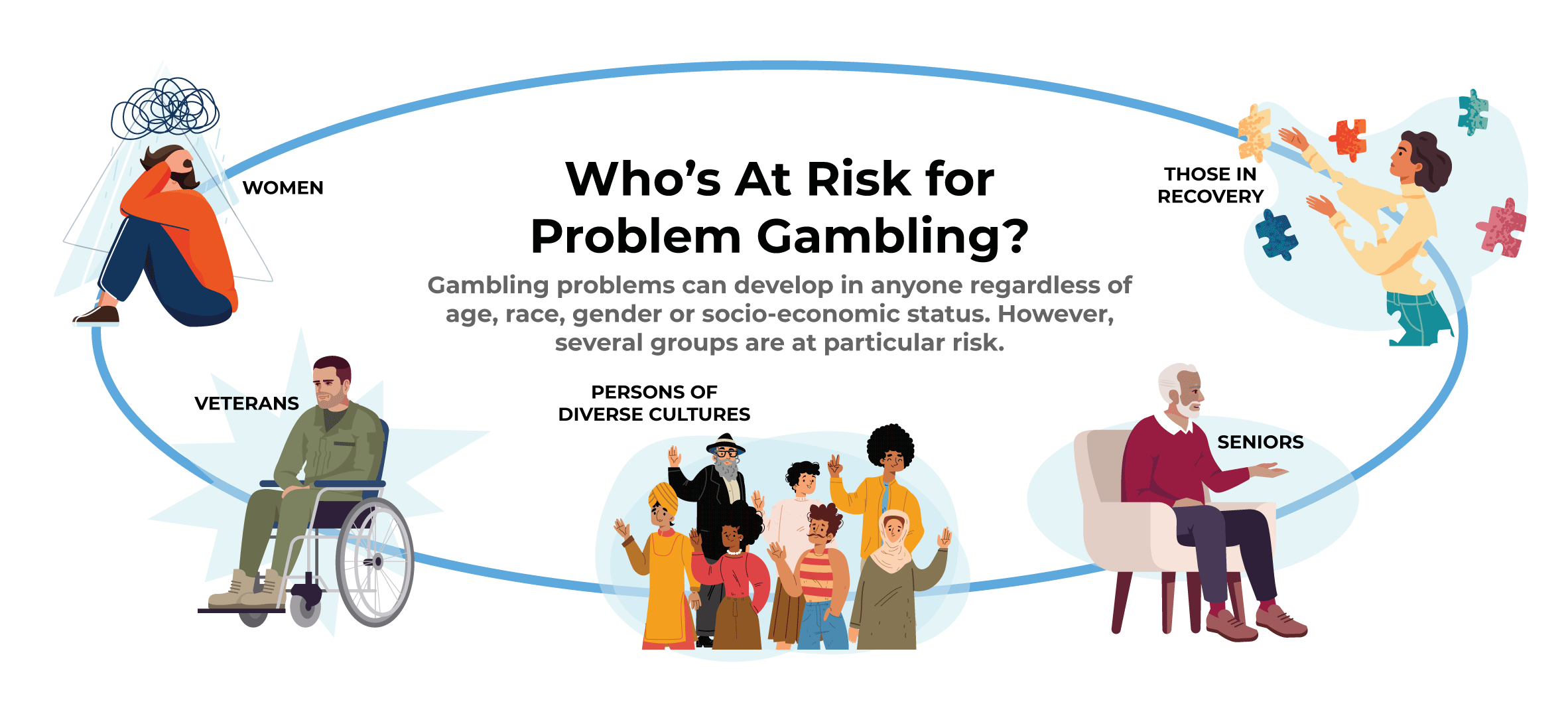
Virtually anyone – men or women, young or old, and those from every religion, race and socio-economic background – is at risk for developing a gambling problem.
The good news is that help is available and it works! Click here for a list of treatment providers.
Problem gambling is a serious but often hidden issue that affects individuals, families and communities across Minnesota.
This message shares why help matters and where to find it.
LSS Financial Counseling
We understand that problem gambling can strain finances. That’s why we’ve partnered with Lutheran Social Services counselors to provide a valuable, no-cost resource for those experiencing financial issues from gambling, whether you are the gambler or a family member: Financial Choice services through LSS Financial Counseling.
GamFin
If gambling has created financial challenges, you’re not alone, and you don’t have to face them by yourself. GamFin financial counselors are here to help you:
- Take control of debt
- Boost your money confidence
- Rebuild and strengthen your credit
- Ease money-related tension with loved ones
- Explore your financial options
- Build lasting financial habits
- Create a budget that works
- Transform your relationship with money
QUICK FACTS ON PROBLEM GAMBLING


LEARN HOW
Two voluntary, self-exclusion tools for online gambling sites.
Given that many gamblers may be moving online, MNAPG is offering individual subscriptions for an online self-exclusion tool called Gamban. This tool enables the gambler to block tens of thousands of online gambling sites on all devices. MNAPG has purchased one-year subscriptions that can block up to 15 devices in one household.
If you are interested, please email sstucker@mnapg.org and a link will be provided to set up the account.
BetBlocker helps you, or those you care about, ensure that they can manage their access to gambling in a safe and appropriate manner. Whether that means restricting altogether, or limiting during periods of vulnerability, BetBlocker can help. Visit https://www.betblocker.org to download this free app.
Gambling for longer periods of time than originally planned
Bragging about wins, but not talking about losses

Increased frequency of gambling activity
Denying there is a problem
Lying about how money is spent
Pressuring others for money when financial problems arise
Escaping to other excesses (alcohol, drugs, sleep, video games, etc.)
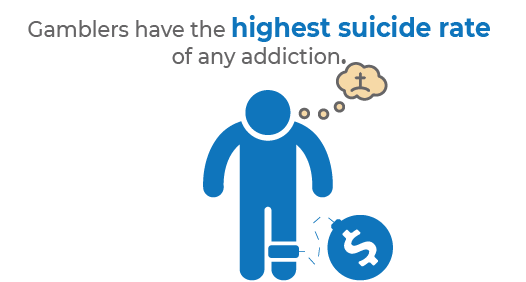
Gambling can push people into a place where everything feels like it’s crashing down — finances, relationships, trust and hope. When losses pile up, it’s common to feel trapped, ashamed or like there’s no way out. But those feelings can get dangerous when they turn into thoughts of giving up or believing the people around you would be better off without you.
If gambling has you feeling overwhelmed, pay attention to these warning signs:
- Feeling hopeless or numb
- Thinking “I’ve ruined everything” or “There’s no way out”
- Pulling away from family and friends
- Losing sleep because of stress, debt or fear
- Using alcohol or drugs to escape
- Feeling trapped by financial problems or secrets
- Thinking about disappearing, not waking up or ending your life
You do not have to carry this alone. Gambling problems can make it feel like there are no options left, but help is available and recovery is possible — even if it doesn’t feel that way right now.
If you are thinking about suicide or are worried about someone else:
- Call or text 988 to reach the Suicide & Crisis Lifeline
- Call the Minnesota Problem Gambling Helpline at 1-800-333-HOPE
- Text “HOPE” to 53342
One conversation can make a difference.
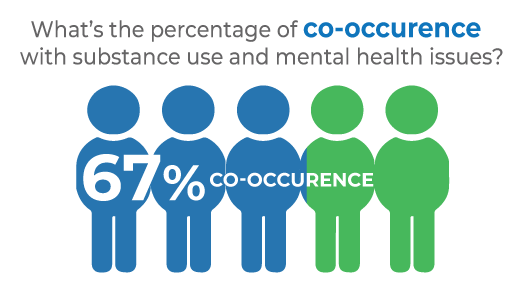
Problem gambling often does not occur in isolation. It often occurs when these conditions are present:
- depression,
- anxiety,
- alcohol and drug issues,
- bad health,
- domestic violence,
- homelessness,
- financial hardship,
- legal problems,
- unemployment, and
- relationship breakdown.
Gambling when you have a substance use disorder places you at risk for developing a gambling addiction. This can present an additional challenge in your overall recovery
Brain Connections was a project developed in 2015 by a group of Canadian researchers to help those with gambling addiction understand what was happening with their brain in addiction by using common metaphors. In addition to this animated video, there are accompanying handouts.