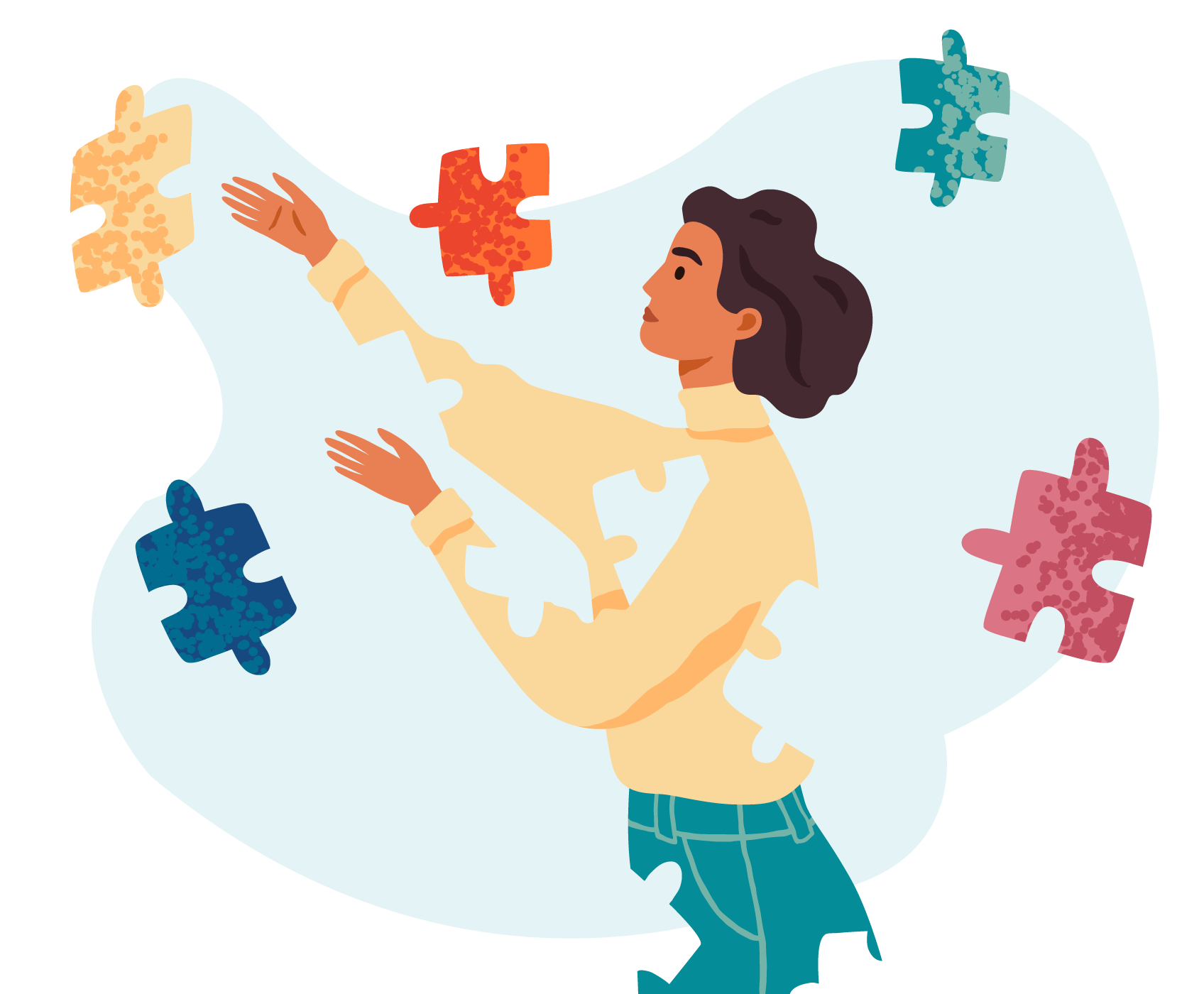
People in Recovery
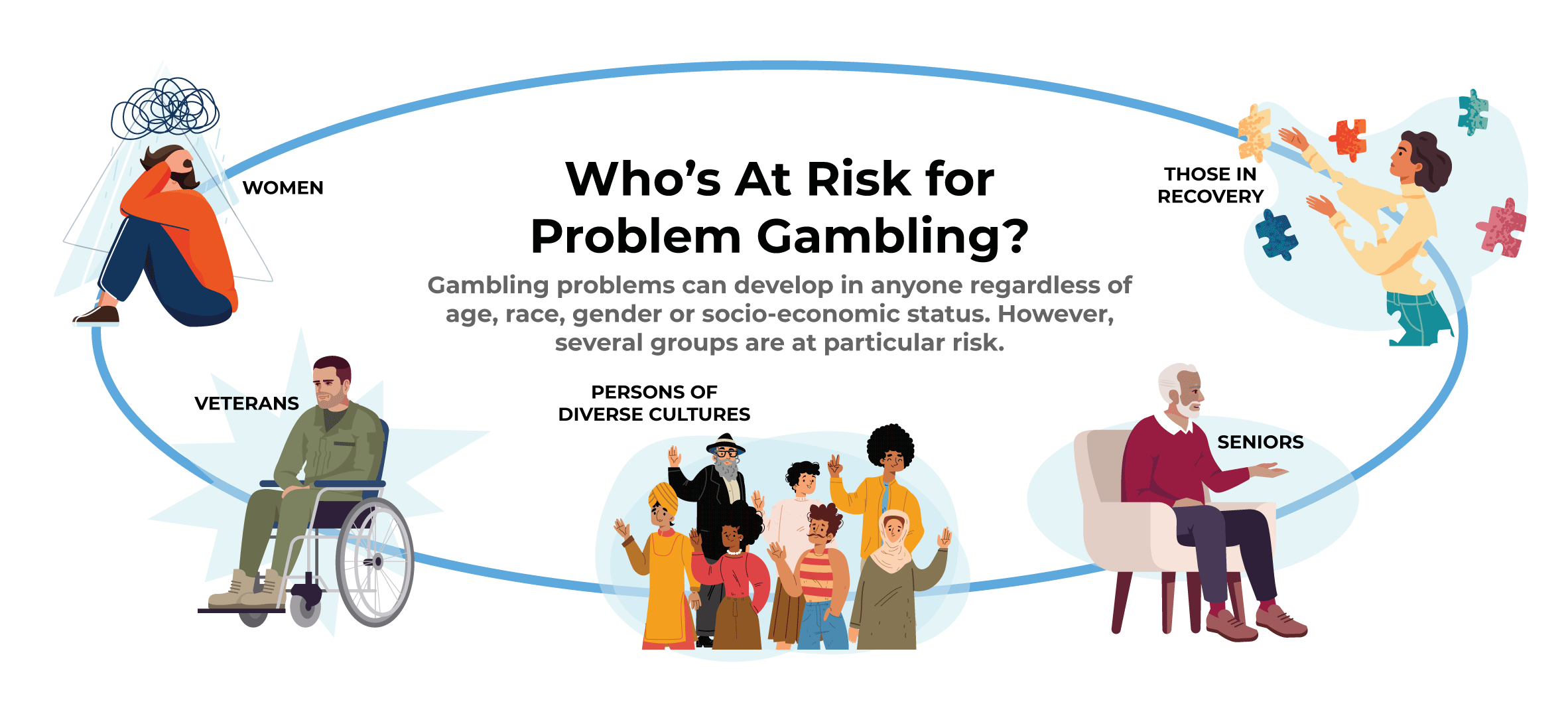
Gambling problems can be devastating, but with the right support and/or treatment the gambler can recover and lead a healthy life again.
Those new to recovery are particularly vulnerable. Remember, this is a chronic disease and for most, continued peer and family support will be vital to maintaining recovery.
Difficult but meaningful choices in favor of one’s recovery may include:
- Leaving behind friendships, especially those directly connected to one’s gambling.
- Rebuilding family relationships.
- Making financial amends.
- Seeking new employment or a relocating for a fresh start.
It’s important for those in recovery to establish new, healthy patterns and choices. Unfortunately newly recovered individuals may adopt a new addiction to replace the old. It’s important for the individual to understand the risks of relapse and to build support systems so when they’re feeling vulnerable, there’s help to keep them on track.

Problem Gambling in ACTIVE MILITARY/VETERANS
Gambling and problem gambling are more prevalent among military personnel and veterans compared to the general population and highest among minorities. Problem gambling is also more likely among those with substance abuse, post-traumatic stress disorder (PTSD), depression and suicide, conditions which have a high rate of incidence among those who have served in the military. Unfortunately, many members of the military do not have access to treatment for gambling problems and may face disciplinary action after seeking help.
More information on problem gambling in the military can be found here.
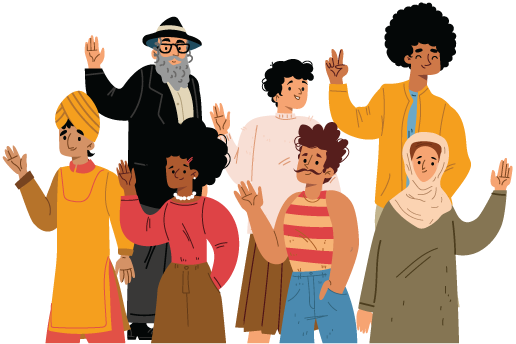
PROBLEM GAMBLING IN DIVERSE COMMUNITIES
Minnesota is comprised of dozens of immigrant and indigenous communities. Each has its own understanding of gambling and attitudes toward those who may not be able to “just walk away” when losses outnumber wins. While the physiological and psychological effects of gambling disorder are similar no matter what ethnic or racial group one belongs to, cultural and environmental norms play a huge role in the way gambling addictions are perceived and treated within these communities.
Issues of inequity must also be addressed. Most treatment models and those trained are primarily from the dominant culture. There is a great need to develop and fund culturally appropriate services. There is some movement on the federal and state levels to offer incentives to treatment providers to offer culturally and linguistically appropriate services (CLAS). As demographics continue to change, offering services that reflect the communities being served will help to encourage more to seek the help they need and deserve.
More outreach efforts are needed to explain what problem gambling is and the available resources. In many communities, elders and spiritual leaders play important roles. Thus, there is a need for increased training among these community leaders to foster conversations about gambling, even before the concept of treatment is broached. Additionally, there needs to be a greater acceptance of culturally based treatments that can be supplemented with traditional western-style treatment to aid in the individual’s recovery.
All Minnesotans are eligible to seek help through a state-approved gambling treatment provider, whether they have insurance coverage or not. A referral can be received by calling 1-800-333-HOPE (4673).
If you are a community leader and have interest in taking specific community leader training, contact sstucker@mnapg.org.
OLDER ADULTS AND PROBLEM GAMBLING
Many older adults enjoy gambling as a fun recreational activity. However, for some it can become an addiction, bringing potentially devastating consequences. Gambling opportunities are plentiful for seniors; casinos, lottery products, bingo and online gambling are more available than ever.
WOMEN AND PROBLEM GAMBLING
As gambling options have increased and become more accepted, women have been swept up into the gambling current.
If you're a woman seeking seeking recovery resources specifically for women, The Broke Girl Society is worth exploring. Christina, its founder, created these opportunities "to erase the stigma and shame so women feel safe seeking the help they need without fear of judgement."