National Gambling Voluntary Self-Exclusion Program Takes First Step to Increase Access to Help
Published on April 16, 2024 The National Voluntary Self-Exclusion Program (NVSEP) launch is guided by two concepts: 1) seamless self-exclusion list access irrespective of geographical location and 2) a single regulatory resource portal. Pending approvals, the program by idPair, Inc. is expected to launch in New English in summer 2024. Click here to view the full article.
Getting a Handle on Gambling Debt: Advocates Say End of Tax Filing Season an Important Reminder to Reassess Gambling Behavior and Related Financial Trouble
According to Debt.org, the average debt generated to people addicted to gambling is between $55,000 and $90,000. MNAPG says gambling carries the highest suicide rate of all diagnosed addictions, as those suffering don’t see a path to recovery from financial losses.
“Gambling can be a fun escape when you’re minimizing risk, but when people become addicted to gambling, personal finances can be dramatically impacted, and as a result, lives and families are torn apart,” says Susan Sheridan Tucker, Executive Director of MNAPG. “If you gamble, it’s critical to establish limits and find a healthy balance to meet your financial needs.”
Know the Warning Signs of Gambling-Related Financial Issues
MNAPG calls out these warning signs to identify if a loved one is having financial issues caused by gambling behavior:
- Household bills are consistently overdue.
- Unaccounted-for cash advances from credit cards, or maxed-out credit cards.
- Person is secretive about money.
- The person is making requests for unexplained loans from family/friends, or for loans that are blamed on phony financial matters.
If a loved one with a gambling problem is reluctant to address the issue, MNAPG says it’s important for people in the household to take strict precautions to keep themselves safe. Tips include setting up your own bank account, throwing away credit card offers and telling others not to lend money to person with the gambling problem.
To find help, call the Minnesota Helpline at 1-800-333-4673, and visit www.mnapg.org for more resources. Counseling is at no cost for the gambler or their family.
About the Minnesota Alliance on Problem Gambling
MNAPG is a non-profit, gambling-neutral organization dedicated to improving the lives of Minnesotans affected by problem gambling. MNAPG is a coalition of individuals and organizations sharing the belief that problem gambling is a serious public health problem that is both treatable and preventable. MNAPG efforts helps individuals, families and communities address the devastating effects of problem gambling.
International News — Could Denmark’s Practices Work Here?
MNAPG Northern Light Spring 2022In Denmark, the Ministry of Taxation will require mandatory players’ cards beginning July 1, 2022. This will eliminate the ability for a player to bet anonymously. Danish authorities hope it will reveal gaming patterns as a means of detecting signs of money laundering or match fixing. It will also prohibit players under the age of 18 from placing a bet, notify whether a player has voluntarily self-excluded from gambling, or if they have exceeded their self-set spending limit before a wager is made. While the impetus behind this regulation is to reduce crime, tools such as these show promise in identifying players who can’t keep to their spending limits before they’re betting gets out of hand.
Would U.S. players welcome the opportunity to have easy access to their own records, which might include the amount of money they’ve spent, won, and lost, and the time they’ve spent gambling? Would they be willing to set limits, and how often they adhered to the limits? We would like to think so, and thus have added these components to MNAPG’s regulatory list for online sports betting. Until we know more about when the sports betting legislation passes and the form that it takes, it’s hard to say how much influence MNAPG can have in shaping these important responsible gambling regulations.
Lower-Risk Gambling Guidelines Developed
The Canada Centre on Substance Use and Addiction has commissioned a first-of-its-kind study and accompanying guidelines to lower the risk of gambling harms. See an overview below. Read the full study here.Responsible gambling guidelines often dictate that gamblers set personal gambling limits to avoid gambling-related harm to themselves and others. While there are now more tools available to help gamblers to set limits, the limit-setting advice is typically general and non-quantitative, in contrast to other public health areas, such as drinking alcohol or food. A common responsible gambling slogan is: “set a limit and stick within it.”
To help provide gamblers and those who seek to establish responsible gambling programs, the Canadian Centre on Substance Use and Addiction developed lower-risk gambling guidelines based on scientific evidence. The guidelines are appropriate for those who implement programs aimed at reducing gambling-related harms or promoting public health. They provide consistent, evidence-informed advice and messaging about how to gamble in a lower-risk manner.
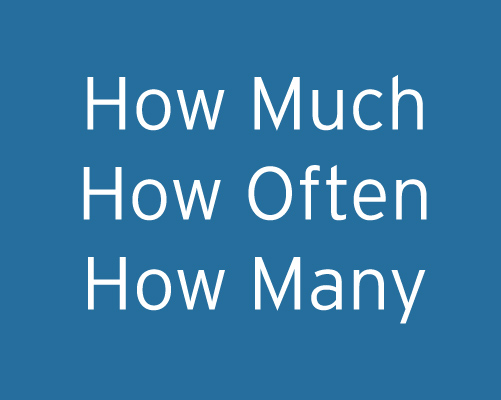
The guidelines, detailed on gamblingguidelines.ca, specifically address three aspects of gambling: how much, how often and how many?
How much The guidelines suggest that gamblers not bet more than 1% of their pre-tax household income.
How often It’s recommended that gamblers not gamble more than four times per month, which is roughly once a week.
How many Those who gamble on a regular basis should not play more than two types of games.
However, the guidelines caution that special risk populations and contextual factors play a role. The limits may not be appropriate for individuals experiencing problems from alcohol, cannabis or other drug use, those with anxiety or depression, and those with a personal family history of gambling problems or substance use disorders.
Other considerations
The type of gambling games one plays makes a difference. Fast-paced games that involve frequent betting can more quickly lead to problems. With slot machines, electronic gaming machines, poker and many online forms of gambling, people can spend a lot of money in a short time.
It's also important to consider why someone gambles. Is it for fun? Those gambling to escape life problems are more likely to experience harm from gambling and might find it difficult to gamble within the suggested guidelines.
The source for information in this article was gamblingguidelines.ca.