Sep 5, 2025 | ADVOCACY, YOUTH GAMBLING
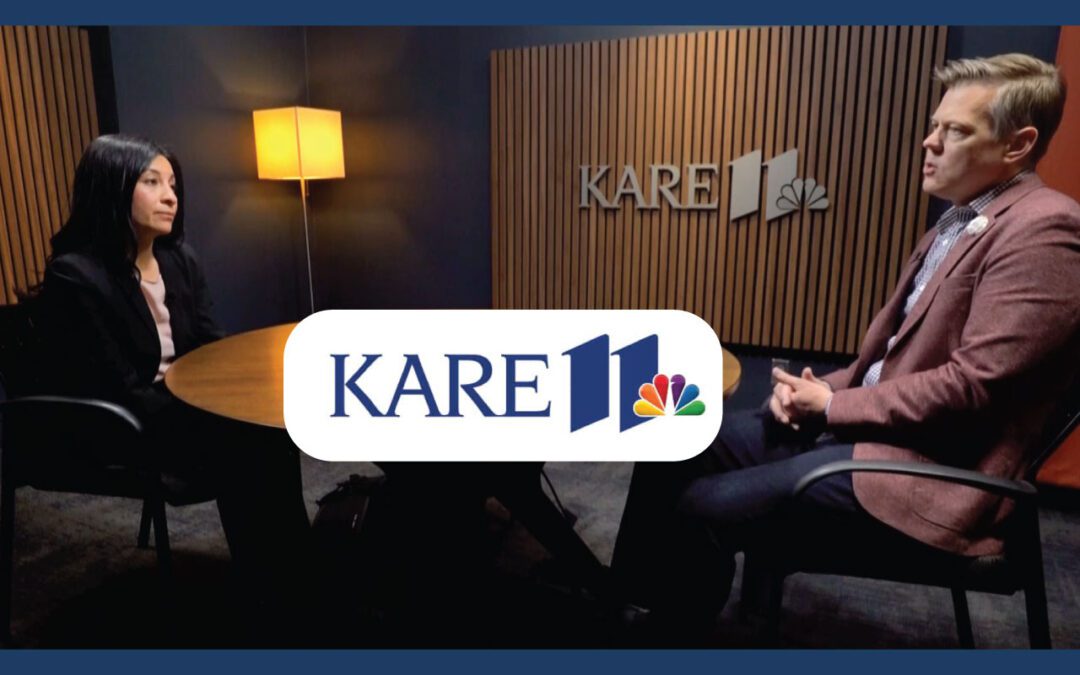
The increasing concern over youth gambling was explored in May in a KARE11 story. The segment featured Susan Sheridan Tucker, MNAPG executive director, and Serena King Ph.D., professor of Psychology at Hamline University, with whom MNAGP has partnered on several projects.
The news story cited “Frequent and Problem Gambling in Public School Students,” a letter (study) which examines data from the 2022 Minnesota Student Survey, a large-scale, statewide study of middle and high school students that takes place every three years.
A key finding of the research was that Minnesota students, like Minnesotans at large, are finding ways to gamble, even as sports gambling officially remains illegal in the state. The letter noted that nearly 8% of 8th, 9th and 11th grade Minnesota public school students reported gambling once a week or more. Given that the underlying data is three years old—and with gambling appearing to experience a steady rise—it’s logical to conclude that youth gambling participation may be even higher now.
Dr. King’s research found that 88.6% of those considered “frequent gamblers” (students gambling once or more per week) and 89.2% of those considered “problem gamblers” (gambling in the past year and scoring a 4 or more on the Brief Adolescent Gambling Screen) gambled on informal sports and games. This category included betting on informal games of personal skill, such as playing cards, video games, pool, golf, etc. Frequent gamblers were considerably less likely to gamble on formal sports/games (official sporting events, including esports), lottery and scratch-offs, online (including loot boxes) and at casinos.
"I think what it tells us is it's culturally embedded in our community," says Dr. King, who has studied youth gambling and problem gambling for 20 years. She says the data clearly shows that mental health and health care providers should be screening kids who report that they are gambling or if families mention that their child is betting in any way.
“If a child is wagering or engaging in micro transactions inside video games or on Youtube, those platforms could lead a child to gamble,” says Dr. King. “These are areas where physicians and mental health providers might be wise to have a conversation and use a screening tool.”
It’s important to teach children and families that sports betting is pervasive and could lead a child to engage in problem gambling behavior, as kids likely do not have the capacity to understand risks they’re taking.
In the KARE11 story, Susan emphasized that many people treated for gambling addiction were first exposed to gambling as young kids, highlighting the need to monitor youth gambling and provide appropriate education and prevention messaging.
MNAPG will be contracting with Dr. King for an updated study later this year that will compare 2022 data to 2025 data.
Sep 5, 2025 | ABOUT MNAPG
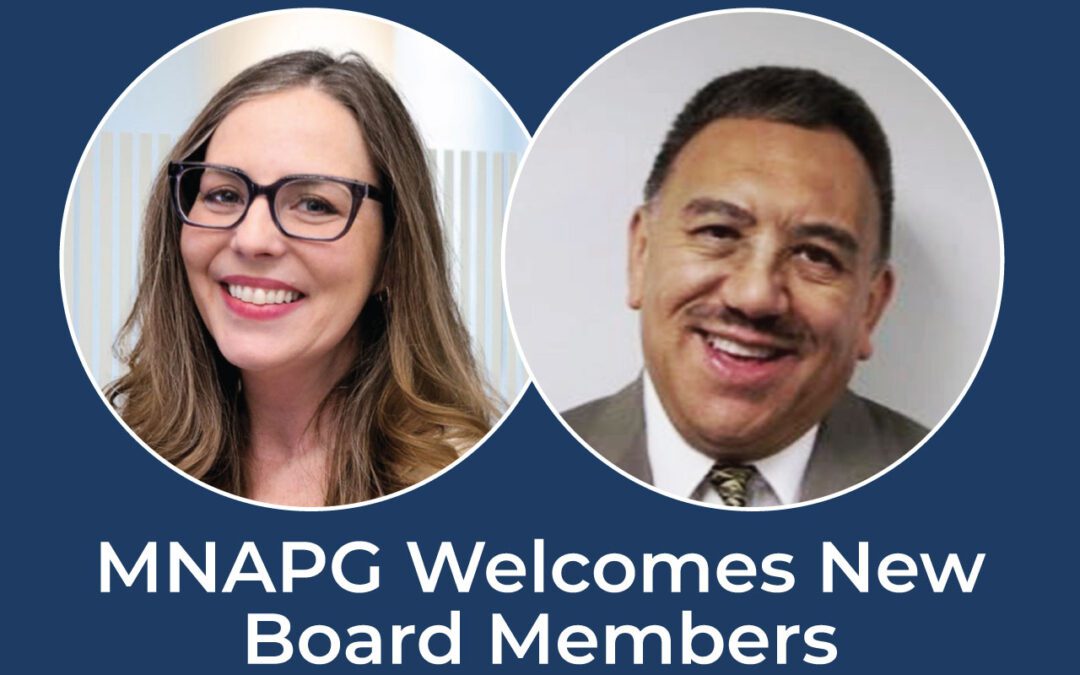
Two new board members joined MNAPG in July. Each brings a unique background and perspective to our organization. Northern Light asked them about their experience and what they hope to contribute.
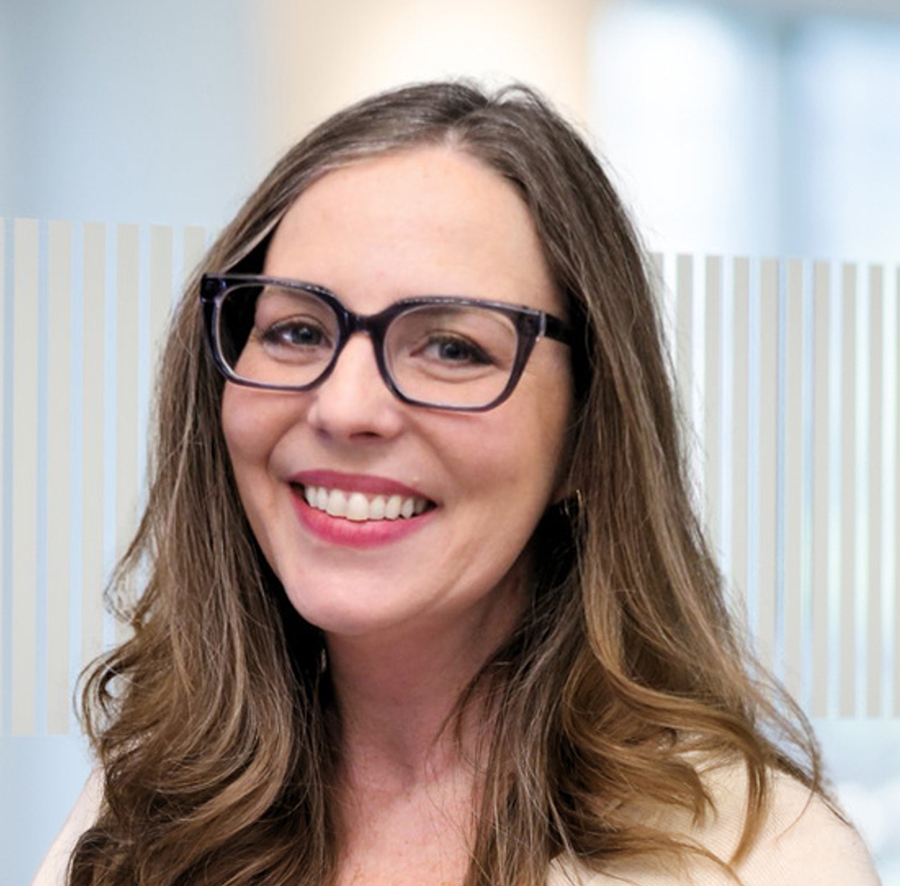
Terra Carbert, Senior Recruiting Manager for Frederick Fox
 NL: Can you share a little bit about your background?
TC: I was born and raised here in Minnesota. I am a recovering compulsive gambler living in recovery since 2016. In my professional life, I work as a recruiter, a life coach for women in transition and as the host of the Ambitious Addicts podcast. I attained a recovery coaching certification in 2020 to better support others working through recovery.
NL: What prompted you to join the board?
TC: As a person with lived experience in recovery from compulsive gambling, I was looking for a way to make an impact—to create awareness about and advocate for recovery solutions for those affected by gambling. This opportunity aligns with my personal passions and allows me to give back to the community in meaningful ways that can help others.
NL: What do you hope you can contribute to the board and the mission?
TC: I can bring the voice of lived experience, having lived in recovery every single day. Given my experience of being addicted, I have experienced the harm. I hope to contribute a unique perspective, whether that’s to educate the industry, legislators or clinicians working to treat those in recovery while helping MNAPG work towards its vision.
NL: Are there particular areas within problem gambling that are of special interest to you?
TC: For me, it’s all about the voices of women who have experienced gambling harm and normalizing the conversation about gambling being a public health threat. When I look back on my gambling, I wish there could have been an intervention. I want to see a world where the rooms of recovery and solutions are as diverse as the people we encounter at casinos and in the lines to buy lottery tickets, and to elevate the voice of women to help address the seeming bias that only men are affected. And that recovery is possible, as I am a personal testament to this.
NL: What are some of your hobbies and interests?
TC: I enjoy travelling, music—especially karaoke—and rehabbing furniture. I love to do just about anything outside. I also do some volunteering with SciMathMN, a STEM Education non-profit in Minnesota, and try to attend events related to the startup world here in Minnesota. Of course, I also love spending time with family and friends.
Steve Griffiths, General Manager at Jackpot Junction
NL: Can you share a little bit about your background?
TC: I was born and raised here in Minnesota. I am a recovering compulsive gambler living in recovery since 2016. In my professional life, I work as a recruiter, a life coach for women in transition and as the host of the Ambitious Addicts podcast. I attained a recovery coaching certification in 2020 to better support others working through recovery.
NL: What prompted you to join the board?
TC: As a person with lived experience in recovery from compulsive gambling, I was looking for a way to make an impact—to create awareness about and advocate for recovery solutions for those affected by gambling. This opportunity aligns with my personal passions and allows me to give back to the community in meaningful ways that can help others.
NL: What do you hope you can contribute to the board and the mission?
TC: I can bring the voice of lived experience, having lived in recovery every single day. Given my experience of being addicted, I have experienced the harm. I hope to contribute a unique perspective, whether that’s to educate the industry, legislators or clinicians working to treat those in recovery while helping MNAPG work towards its vision.
NL: Are there particular areas within problem gambling that are of special interest to you?
TC: For me, it’s all about the voices of women who have experienced gambling harm and normalizing the conversation about gambling being a public health threat. When I look back on my gambling, I wish there could have been an intervention. I want to see a world where the rooms of recovery and solutions are as diverse as the people we encounter at casinos and in the lines to buy lottery tickets, and to elevate the voice of women to help address the seeming bias that only men are affected. And that recovery is possible, as I am a personal testament to this.
NL: What are some of your hobbies and interests?
TC: I enjoy travelling, music—especially karaoke—and rehabbing furniture. I love to do just about anything outside. I also do some volunteering with SciMathMN, a STEM Education non-profit in Minnesota, and try to attend events related to the startup world here in Minnesota. Of course, I also love spending time with family and friends.
Steve Griffiths, General Manager at Jackpot Junction
 NL: Can you share a little bit about your background?
SG: My journey in the gaming industry began on the front lines as a dealer in Las Vegas, which gave me valuable insights into the core operations and customer experience, ultimately serving as casino manager at the Golden Nugget Casino. From there, I transitioned to tribal gaming, serving as general manager for several major tribal casinos, including the Tulalip, Muckleshoot and Puyallup casinos. During that time, I also served on the Washington State Council on Problem Gambling, which eventually became the Evergreen Council on Problem Gambling. I played an active role, primarily as treasurer for approximately 15 years, heading up fundraising initiatives and expanding tribal support to address the issue of problem gambling. In total, I’ve spent more than 25 years building and running tribal gaming facilities and working on issues such as problem gambling.
NL: What prompted you to join the board?
SG: I met with Susan (Sheridan Tucker) and we discussed the work I did in Washington and recognized an opportunity to contribute, given my experience in developing problem gambling training programs for tribes in that state. I firmly believe in the importance of operators recognizing their social responsibilities. It’s crucial that gaming operations consider the potential negative impacts on some individuals. As both a human being and a gaming professional, I feel a personal duty to address and balance these concerns.
NL: What do you hope you can contribute to the board and the mission?
SG: As I’ve mentioned, I’ve been involved in a lot of training programs, including setting criteria for both frontline and senior staff. I’d like to help with the development of a “certification” program that tribal and commercial casinos can complete to demonstrate their commitment to meeting certain operating standards—sort of like a Better Business Bureau stamp of approval. Developing such a program aligns strongly with my background and could significantly advance industry standards and enhance MNAPG’s positive impact across Minnesota. I’d also like to obtain more tribal and non-tribal support for MNAPG. Casinos derive most of their benefits from gaming, and I think contributions to organizations like MNAPG would help to address the societal impacts of that activity and would be helpful and important for all involved parties. I am genuinely excited to join the MNAPG board and look forward to contributing to meaningful initiatives that benefit the statewide community.
NL: What are some of your hobbies and interests?
SG: Outside of professional commitments, I greatly enjoy travelling and have been an avid scuba diver for many years, having travelled to locations such as Hawaii, Micronesia and the Caribbean. I enjoy the sights above and below the water and learning about the local cultures. I’ve also recently had knee surgery and am looking forward to hiking and spending more time outdoors again.
NL: Can you share a little bit about your background?
SG: My journey in the gaming industry began on the front lines as a dealer in Las Vegas, which gave me valuable insights into the core operations and customer experience, ultimately serving as casino manager at the Golden Nugget Casino. From there, I transitioned to tribal gaming, serving as general manager for several major tribal casinos, including the Tulalip, Muckleshoot and Puyallup casinos. During that time, I also served on the Washington State Council on Problem Gambling, which eventually became the Evergreen Council on Problem Gambling. I played an active role, primarily as treasurer for approximately 15 years, heading up fundraising initiatives and expanding tribal support to address the issue of problem gambling. In total, I’ve spent more than 25 years building and running tribal gaming facilities and working on issues such as problem gambling.
NL: What prompted you to join the board?
SG: I met with Susan (Sheridan Tucker) and we discussed the work I did in Washington and recognized an opportunity to contribute, given my experience in developing problem gambling training programs for tribes in that state. I firmly believe in the importance of operators recognizing their social responsibilities. It’s crucial that gaming operations consider the potential negative impacts on some individuals. As both a human being and a gaming professional, I feel a personal duty to address and balance these concerns.
NL: What do you hope you can contribute to the board and the mission?
SG: As I’ve mentioned, I’ve been involved in a lot of training programs, including setting criteria for both frontline and senior staff. I’d like to help with the development of a “certification” program that tribal and commercial casinos can complete to demonstrate their commitment to meeting certain operating standards—sort of like a Better Business Bureau stamp of approval. Developing such a program aligns strongly with my background and could significantly advance industry standards and enhance MNAPG’s positive impact across Minnesota. I’d also like to obtain more tribal and non-tribal support for MNAPG. Casinos derive most of their benefits from gaming, and I think contributions to organizations like MNAPG would help to address the societal impacts of that activity and would be helpful and important for all involved parties. I am genuinely excited to join the MNAPG board and look forward to contributing to meaningful initiatives that benefit the statewide community.
NL: What are some of your hobbies and interests?
SG: Outside of professional commitments, I greatly enjoy travelling and have been an avid scuba diver for many years, having travelled to locations such as Hawaii, Micronesia and the Caribbean. I enjoy the sights above and below the water and learning about the local cultures. I’ve also recently had knee surgery and am looking forward to hiking and spending more time outdoors again.

Sep 5, 2025 | PROBLEM GAMBLING, RESEARCH
Two newly published reports, commissioned by GambleAware and developed in collaboration with IFF Research, have highlighted a concerning connection between neurodivergence and gambling harms. Conducted by Dr. Amy Sweet of the University of Bristol and Dr. Tim Morris of University College London and the University of Bristol, the studies indicate that neurodivergent individuals—those with conditions such as ADHD, autism, dyslexia, dyspraxia or dyscalculia—are more vulnerable to experiencing gambling-related harm, despite not gambling more frequently than neurotypical individuals.
The first report explored the availability and effectiveness of support for neurodivergent gamblers. It found that individuals with conditions like autism or ADHD often struggle with impulsivity and financial management, which can intensify the risks associated with gambling. For many, gambling becomes a “coping mechanism,” offering temporary relief from feelings of social isolation, marginalization or unmet mental stimulation needs. However, these strategies often lead to serious consequences, including financial hardship, damaged relationships and setbacks in education or employment.
The report emphasized the need for tailored treatment approaches that consider specific traits like attention difficulties. Early intervention is crucial, as many individuals only seek help after facing significant harm. The study also called for streamlined, accessible support services and greater use of peer networks to offer non-judgmental spaces for those hesitant to engage with formal treatment systems.
The second report pointed to a significant knowledge gap in the understanding of how gambling affects neurodivergent people. It noted that the intersection of gambling harm and neurodiversity remains under-researched, and encouraged further studies to explore how factors such as age, gender and ethnicity may influence these experiences. This lack of data presents both a challenge and an opportunity to improve future prevention and support strategies.
In response to the findings, Haroon Chowdry, GambleAware’s director of evidence and insights, stressed the need for improved public awareness around gambling risks, including mandatory health warnings and clearer support pathways. Clare Palmer of IFF Research added that their next phase will involve developing practical tools in partnership with Ara Recovery 4 All and lived experience experts to enhance future service delivery.
Overall, the reports underscore the urgent need for more inclusive, responsive gambling support systems tailored to the unique challenges faced by neurodivergent individuals.

Sep 5, 2025 | PROBLEM GAMBLING
Prediction markets, platforms where people trade on the outcomes of future events, are experiencing a significant surge in popularity and are moving toward mainstream adoption. How exactly do these markets work, are they legal, do they constitute gambling and should they be regulated to ensure there are protections in place for those who might become addicted?
What are prediction markets?
A prediction market or betting market is an exchange-traded market where individuals can bet on the outcome of a variety of events with an unknown future. These events can involve elections, financial markets (such as whether or not the S&P 500 index will close above a specific level by year end), sports (such as whether a specific football team will win the Super Bowl) or even pop culture (such as whether a specific film will win the Academy Award for best picture). They just have to involve “yes or no” questions that will be resolved by a specific date.
Prediction markets run on a type of financial instrument known as an event contract. An event contract has a nominal value — often $1 — and traders can buy “yes” or “no” positions on it for some fraction of that value. When the event happens, the contract pays out to whoever was right.
For example, an event contract could involve whether Candidate A or Candidate B will win an election. If a trader buys a “yes” position on a Candidate A for 25 cents, and Candidate A ultimately does win the election, the trader would earn $1. But if the trader were wrong and Candidate B won, they’d get nothing and would lose their 25 cents.
From a larger perspective, prediction markets are based on the principle that aggregating the predictions of many individuals can lead to more accurate forecasts than relying on a single expert, opinion or poll.
Do prediction markets constitute gambling?
While there are various legal arguments opining on whether prediction markets constitute gambling or not, the perspective of the National Council on Problem Gambling (NCPG) is that it doesn’t make a significant difference. “From a problem gambling standpoint, anyone can develop an addiction to this activity, just as they can develop an addiction in legalized gambling markets,” says Cole Wogoman, director of government relations and league partnerships with NCPG.
The need for problem gambling safeguards
“Putting aside whether futures legally constitute gambling, from a problem gambling standpoint, betting on futures is functionally gambling,” says Cole. “The line between purchasing futures and gambling has particularly blurred with markets offered related to sporting events. NCPG is concerned about a form of gambling taking place outside of the responsible gambling tools framework and problem gambling safeguards required by gambling regulators.”
The legality of prediction markets
The legal status of prediction markets is complex and subject to ongoing debate. Historically, regulators have generally taken a firm stance against unlicensed online betting platforms. The central question is whether prediction markets, especially those involving sports outcomes, fall under the exclusive jurisdiction of the Commodity Futures Trading Commission (CFTC) or are also subject to state gambling laws. If prediction markets are not regulated, there will be no protections for consumers.
“Our position is that the CFTC needs to regulate prediction markets so they’re on a par with other legalized forms of gambling and offering the related protections that state and tribal regulators provide,” says Cole. Otherwise, Cole says, the CFTC should not allow these markets.
The issue is particularly concerning to tribes and gambling regulators. “If prediction market activity is allowed without any regulation, it renders the efforts of those who have worked to provide protections for legalized gambling essentially meaningless if people can avoid all the laws already in place,” says Cole. Prediction markets also do not pay any gambling taxes like legalized gambling markets, and therefore do not contribute to funding used to prevent and treat gambling addiction.
Stay tuned as we track continuing developments with regard to prediction markets and NCPG’s efforts to ensure there is appropriate oversight of these potentially dangerous transactions.

 Figure. Six of the eight most common main causes of addictive behavior and the categories of addictive behavior they led to. The two of the eight not shown are “Unclear” and “Unsure of cause.” Click image to enlarge.
Why do these findings matter?
Understanding the etiology of addiction is important, even if certain causes are more common for particular addictions than they are for others. For instance, researchers and clinicians can explore whether combining treatment seekers into support groups by main causes, rather than by current problems, might yield better treatment outcomes faster. To illustrate, people who all started engaging in addictive behaviors as a way of coping with depression and loneliness might be able to empathize with each other, even if some have problems with alcohol while others have problems with gambling. Treatment providers might find ways to think beyond the common practice of promoting services for one specific type of addiction, and find themselves able to serve much wider client bases than they originally envisioned.
Every study has limitations. What are the limitations of this study?
The participant pool resided completely within a single province in Canada, so the results might not be generalizable to other populations. The researchers grouped the different types of addiction into three broad classes, combining drugs with very different properties into one class, the many different forms of gambling into another, and a wide range of behavioral addictions into a third. Grouping participants or types of addiction this way might have kept the researchers from pinpointing specific main causes unique to specific substances, gambling games, or behaviors.
Figure. Six of the eight most common main causes of addictive behavior and the categories of addictive behavior they led to. The two of the eight not shown are “Unclear” and “Unsure of cause.” Click image to enlarge.
Why do these findings matter?
Understanding the etiology of addiction is important, even if certain causes are more common for particular addictions than they are for others. For instance, researchers and clinicians can explore whether combining treatment seekers into support groups by main causes, rather than by current problems, might yield better treatment outcomes faster. To illustrate, people who all started engaging in addictive behaviors as a way of coping with depression and loneliness might be able to empathize with each other, even if some have problems with alcohol while others have problems with gambling. Treatment providers might find ways to think beyond the common practice of promoting services for one specific type of addiction, and find themselves able to serve much wider client bases than they originally envisioned.
Every study has limitations. What are the limitations of this study?
The participant pool resided completely within a single province in Canada, so the results might not be generalizable to other populations. The researchers grouped the different types of addiction into three broad classes, combining drugs with very different properties into one class, the many different forms of gambling into another, and a wide range of behavioral addictions into a third. Grouping participants or types of addiction this way might have kept the researchers from pinpointing specific main causes unique to specific substances, gambling games, or behaviors.