Nov 12, 2024 | ABOUT MNAPG
For the second consecutive year, MNAPG received the Affiliate Newsletter Award for Northern Light, our quarterly newsletter. The award recognizes an “outstanding problem gambling-related newsletter.” Northern Light has earned several national awards since its inception in 2010. The newsletter seeks to educate readers about the latest trends in problem gambling, treatment and prevention, as well as provide updates on the organization’s outreach efforts and highlight stories of hope in recovery.
MNAPG also received the Affiliate People’s Choice Award for our “Jon’s Story” graphic campaign. The award recognizes “an outstanding print problem gambling or responsible gambling-related awareness message.” “Jon’s Story” employed creative graphics to follow the journey of “Jon” from the time he started gaming as a kid to when he developed a gambling problem in college to his ultimately finding treatment and recovery. The attractive, eye-catching graphics convey a serious message in a way that’s attractive to a younger audience.
“We devote considerable time and resources into our communication tools, so we’re thrilled to see our work recognized at a national level,” says Susan Sheridan Tucker, MNAPG executive director. “I am grateful to my team for their contributions in creating these useful resources that help raise the visibility of gambling disorder in Minnesota.”
Nov 12, 2024 | PROBLEM GAMBLING, STORIES
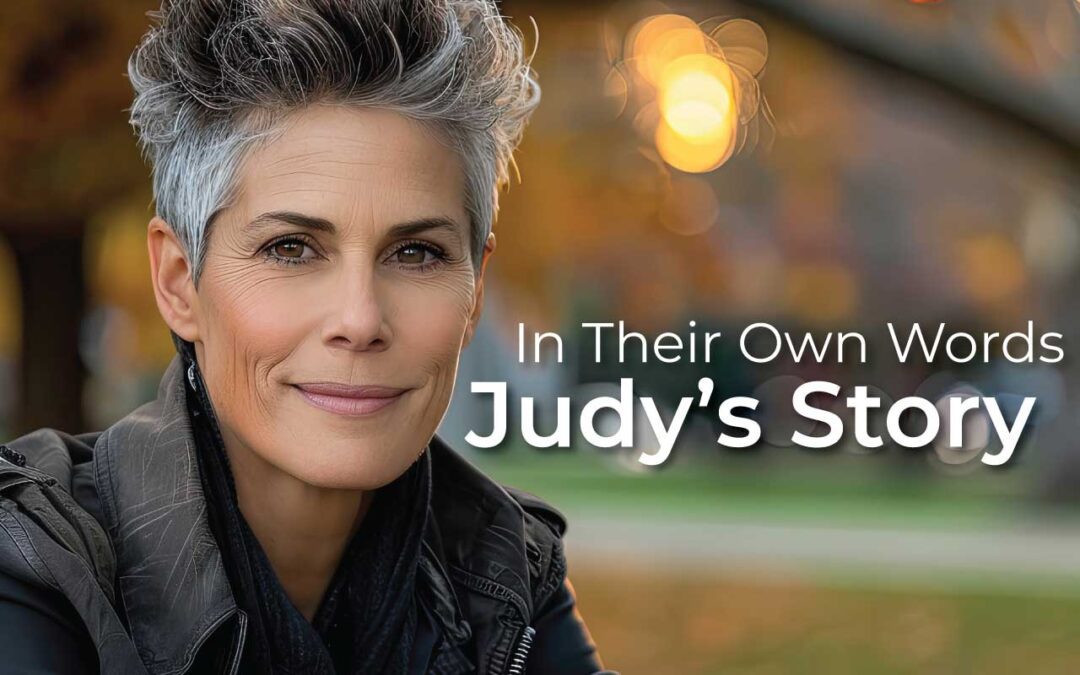
When I look back on the ups and downs of my struggle with compulsive gambling, I sometimes think back to the first time I was bailed out of my debt. When my parents learned about my gambling problem, they asked how much I owed. They subsequently paid off my debts, and while that solved the immediate anxiety I had about money, it did nothing to help me with a gambling problem that I would struggle with for the next 20 years.
There was no history of gambling in my family. While I remember cake walks as a kid, when you might win something, and the times my grandmother would let me deposit a ticket for a raffle, that wasn’t anything serious. I also remember my father placing minimal bets on horses at Ascot, but I was just thrilled to be there and couldn't have cared less about betting.
My compulsive gambling started after I went with my friends to casinos around 1990. This was when gambling became more available as casinos opened on reservations. It was probably about three years later — when I’d taken time off for surgery, didn’t want to be home for any work calls and started going to casinos for an escape —that I started to gamble compulsively, though I didn’t recognize it as that at the time.
At first, at the casinos, I generally played cards but at some point I moved to playing the machines. They were faster paced and I found them more exciting. Eventually, I started going to the casinos more often, usually alone, and would gamble more each time.
This was also at a time when it was easy to get credit cards and I quickly racked up a lot of debt taking cash advances on credit cards. Eventually, it became difficult to pay my bills. Shortly thereafter, I became depressed and started to have suicidal thoughts. As I drove around the Twin Cities, I’d look at a bridge abutment and think that I could drive into it and that nobody would ever know about my gambling behavior. But I figured if I didn’t kill myself, things would just be worse.
The suicidal thoughts spurred me to seek help. I met with a behavior health professional, who suggested I attend a Gamblers Anonymous (GA) meeting. At the time, I had no idea there was such a thing as a compulsive gambler. I remember breaking down and crying at my first GA meeting appreciating how sympathetic and empathetic everyone was. They encouraged me to keep coming to meetings.
It was at this time when my parents learned of my gambling problem — and gave me money to settle outstanding debts. Yet even with the bailout, my getting professional help and attending GA meetings on and off, I continued to gamble — and continued to rack up more and more debt.
By 2007, my employer became wise to my manipulation of expense reports so that I could pay off my increasing debt. It was embarrassing to confess what I’d done, particularly given that I was an expert at my job and had a reputation for being responsible and never doing anything wrong. I ultimately quit my job in lieu of being fired. A friend drove me to Vanguard Center for Gambling Recovery two days later. I went back to GA for a year and participated in monthly meetings at Vanguard. I stayed away from gambling for a year.
But by the next year, I was back to gambling and not going to GA meetings. Over the next few years, things worsened. I kited funds until the banks caught up with me. Creditors came after me and, along with the IRS and the state of Minnesota, garnished my wages. My townhouse was foreclosed in 2012, and I began dipping into my 401K to make ends meet.
By 2015, I’d lost track of who I owed what, and I wrote a bad check at a casino. Rather than being prosecuted I was ordered to attend a budgeting class. I remember really wanting to tell the judge that I didn’t have a budgeting problem, but a gambling problem!
Nov 12, 2024 | ABOUT MNAPG
MNAPG hosted the Minnesota Conference on Problem Gambling on September 19 at the Hilton/Minneapolis Bloomington. Attendees included gambling counselors, recovering gamblers, program directors and others.

Sonja Mertz, MNAPG community educator, and volunteer Dennis Alfton prepare to welcome conference registrants.
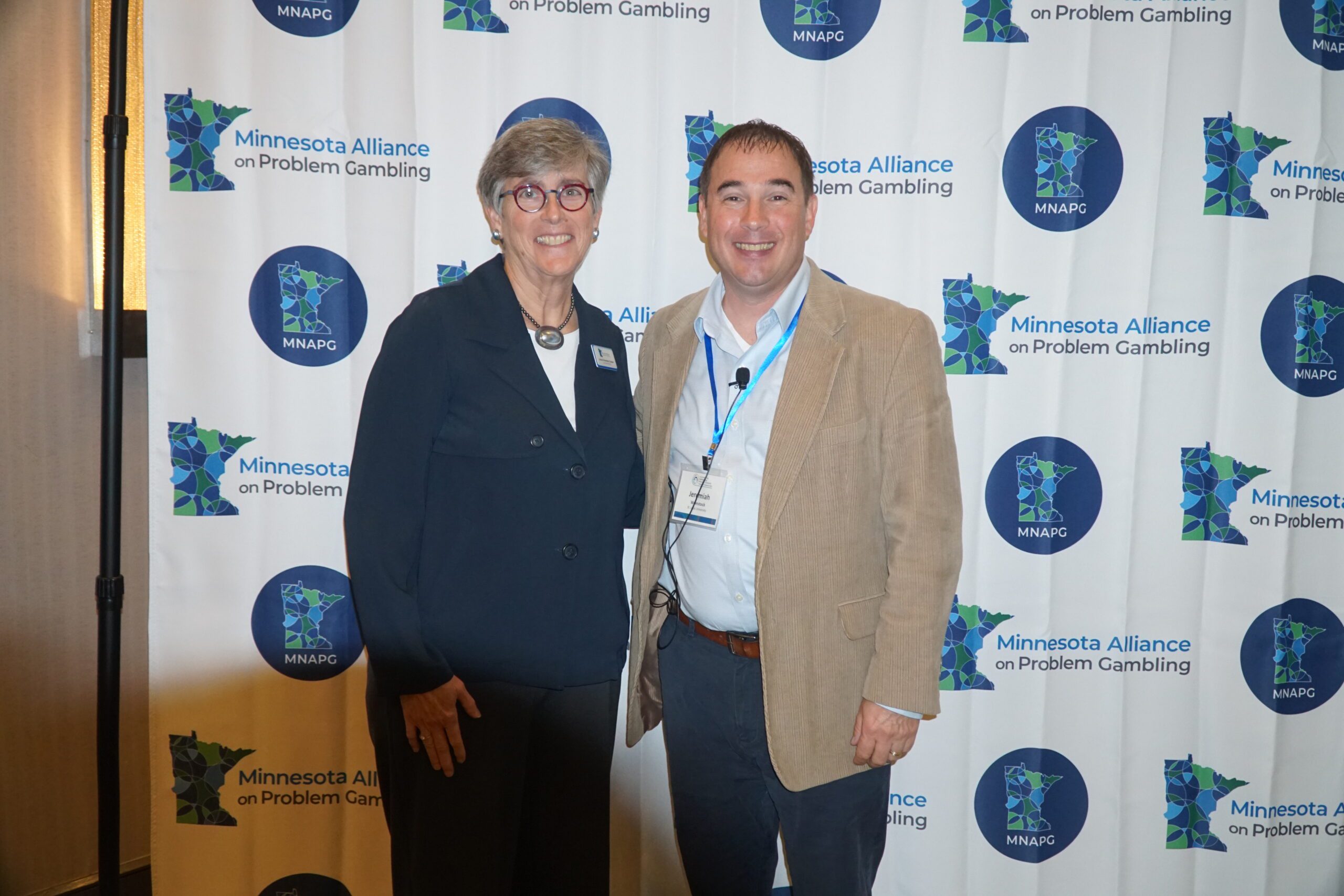 Dr. Jeremiah Weinstock with Susan Sheridan Tucker prior to his presentation that examined suicide in the context of those with gambling disorder.
 The unique problem gambling challenges faced by the Lao community were discussed with Cat Nakhornsak and Adina Black.

Judith Glynn discusses ways to protect family.
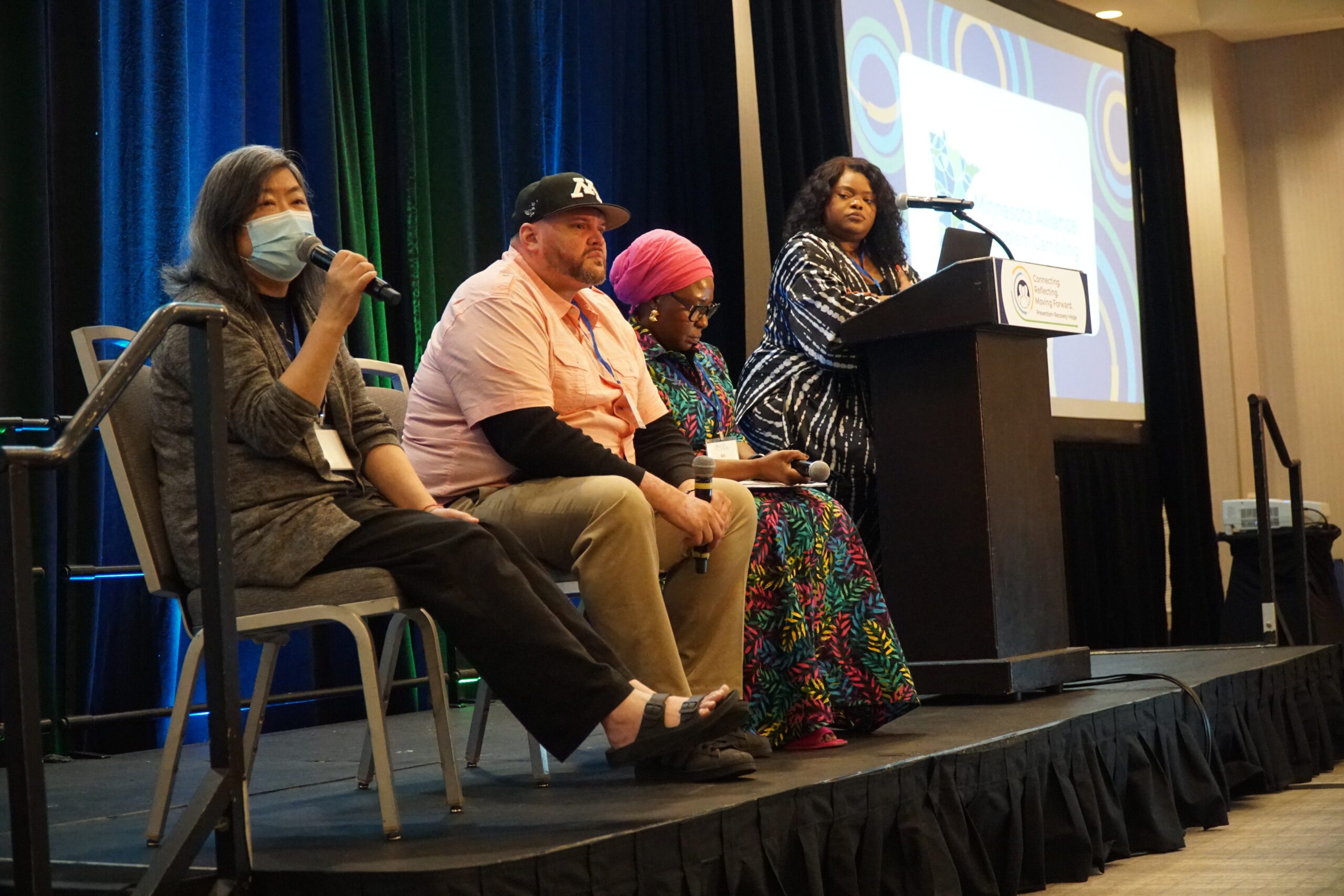
An expert panel discussed the current state of problem gambling and the crucial next steps needed to effect change. From left to right: Ange Hwang, Lucas Patterson, Bili Banjoko and moderator Adina Black.
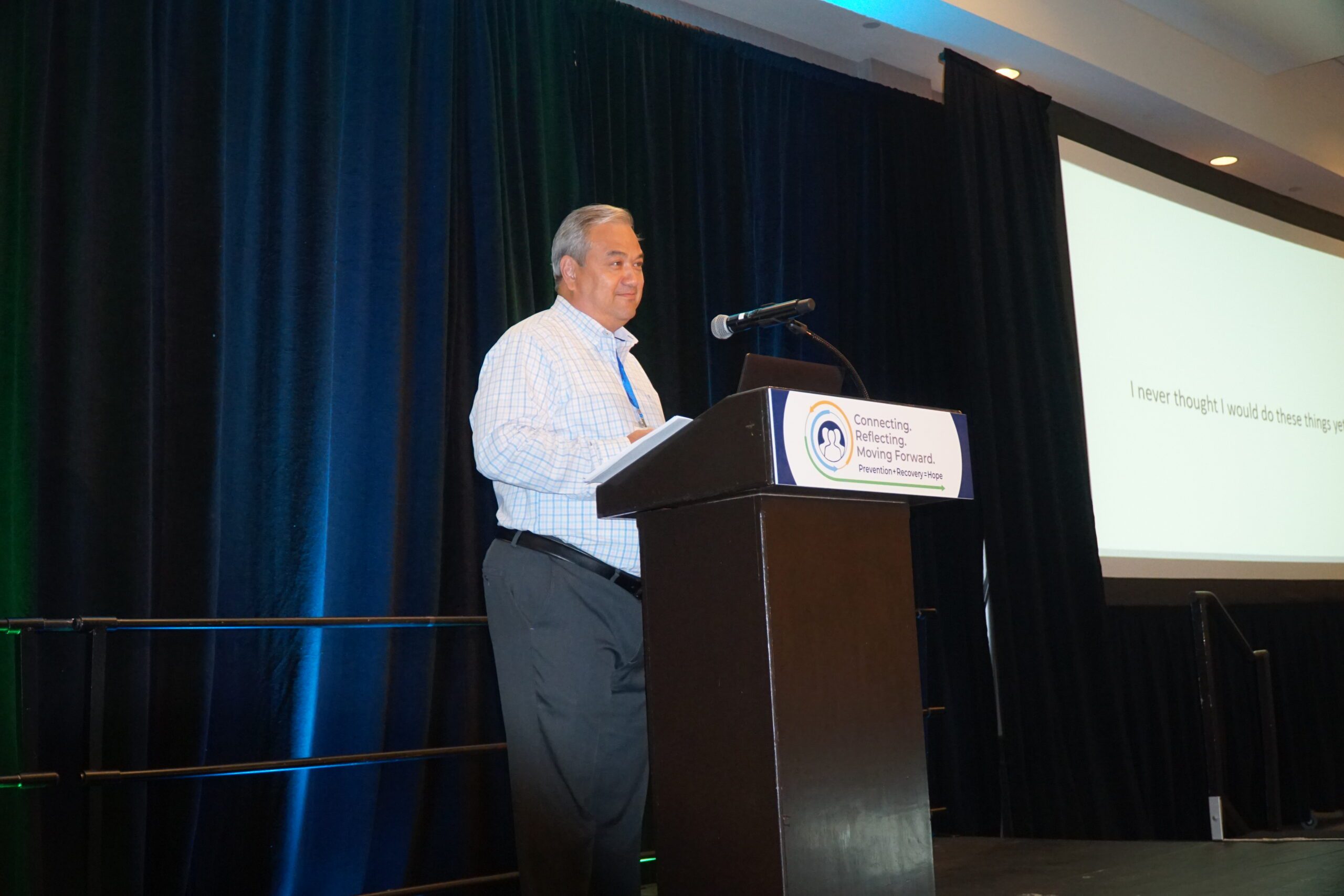
Jim Huh, former financial adviser and a gambler in recovery, shared his personal story and ideas on limiting the financial damage of gambling disorder.
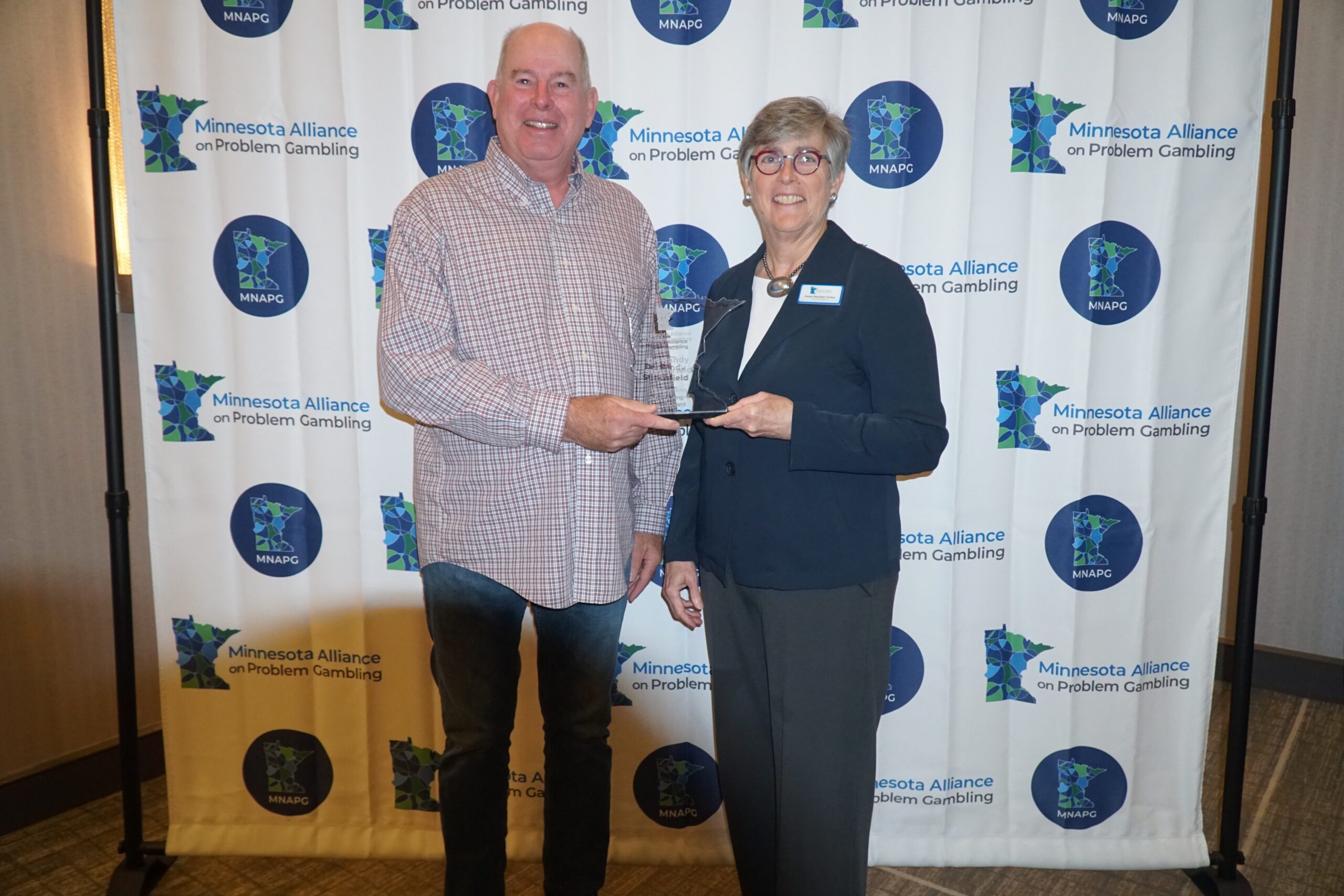
Randy Stinchfield accepts the 2024 MNAPG Service Award.
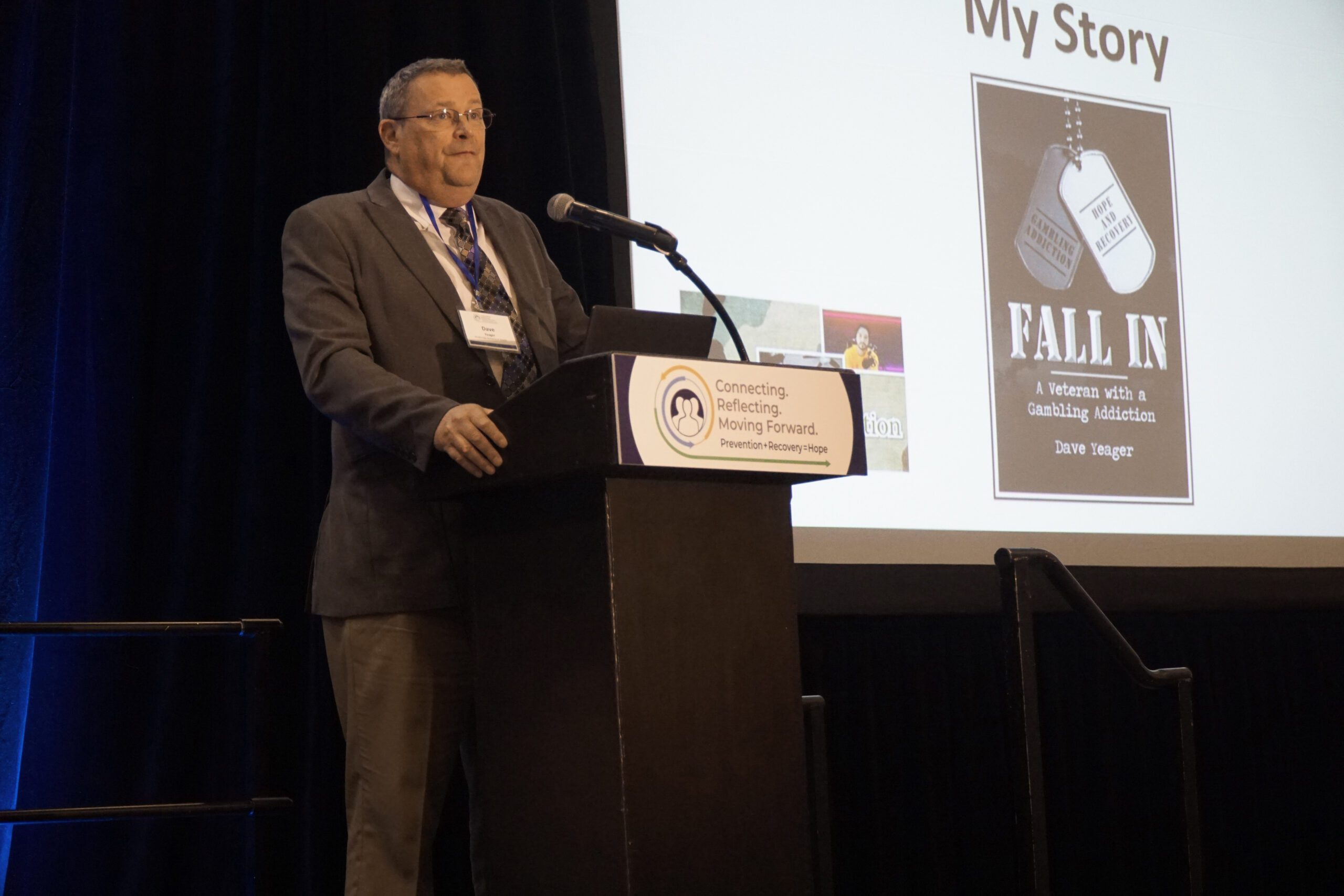
Dave Yeager explained why service members and veterans are at particularly high risk for developing gambling disorder.
Nov 12, 2024 | ABOUT MNAPG
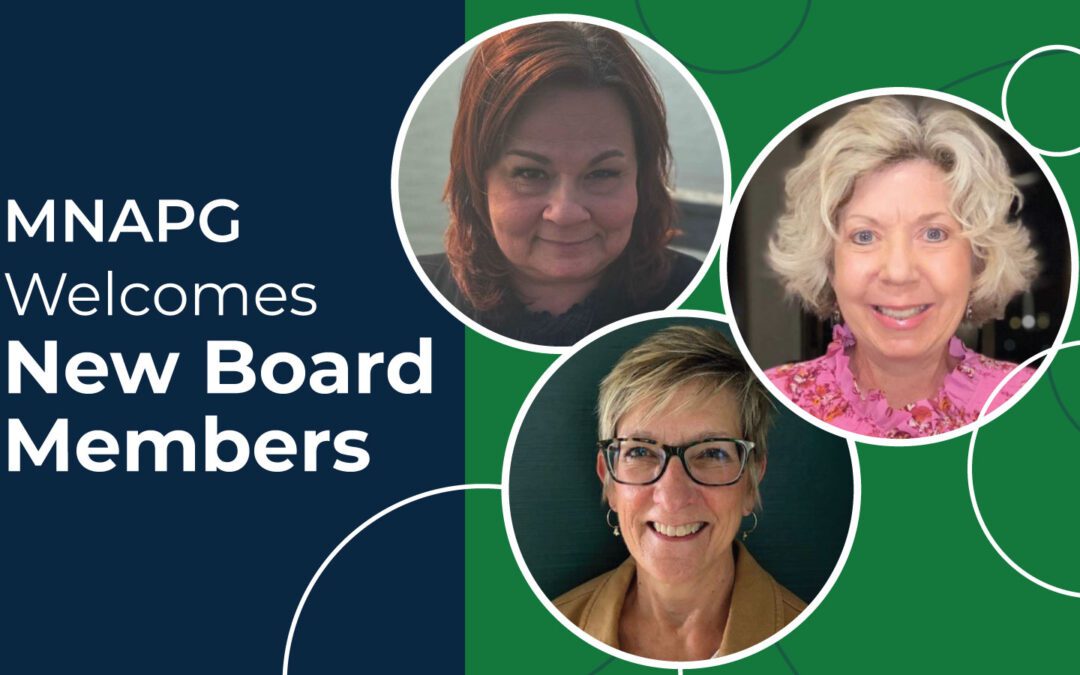
Three new board members joined MNAPG in July. Each brings a unique background and perspective to our organization. Northern Light asked them about their experience and what they hope to contribute.
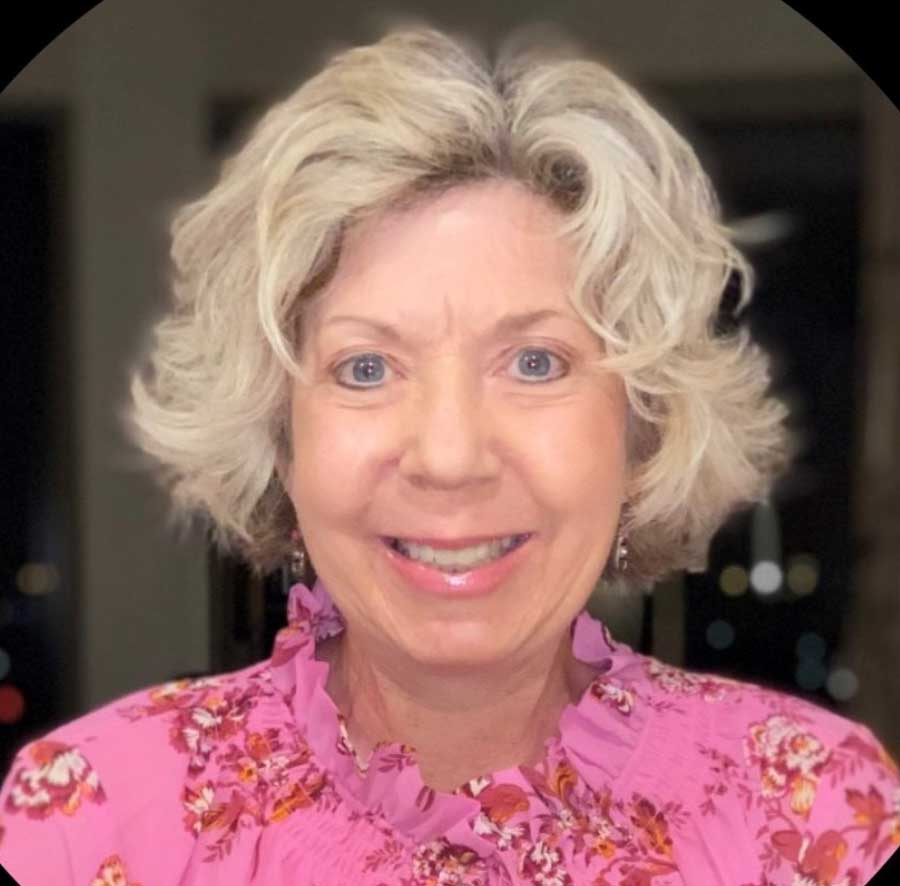 Joan Schimml, Director of Public Affairs for the Minnesota Lottery
NL: Can you share a little bit about your background?
JS: As the director of Public Affairs for the Minnesota Lottery, I oversee external and internal communications, social responsibility and legislative affairs. Prior to joining the Minnesota Lottery, I held leadership positions at organizations in various industries (agency, association, corporate, government and nonprofit), including senior director of communications, community relations and marketing for YMCA of the North; director of global public relations and community relations for Trane and Thermo King; and more.
I’ve been very intentional about working in various industries. When I was younger and worked at a PR agency, I had a mentor who said, “When I look back on my career, I wish I would have worked in every industry so I could understand how to best communicate and engage with different audiences.” I really took her advice to heart.
NL: What prompted you to join the board?
JS: The Minnesota Lottery strives to increase awareness of responsible gambling practices, problem gambling warning signs and how to get help if you or a loved one needs it. Working with partners like MNAPG, I look forward to advancing our lottery’s work to serve the community by increasing awareness and providing resources about problem gambling.
NL: What do you hope you can contribute to the board and the mission?
JS: The Minnesota Lottery is committed to preventing problem gambling and encouraging responsible gambling habits. Along with sharing the efforts of the Minnesota Lottery and connecting them with other organizations supporting the industry, I hope my commitment to community service and expertise, as well as my experience in communications, helps advance the work of MNAPG.
NL: Are there particular areas within problem gambling that are of special interest to you?
JS: Increasing awareness of healthy and informed play.
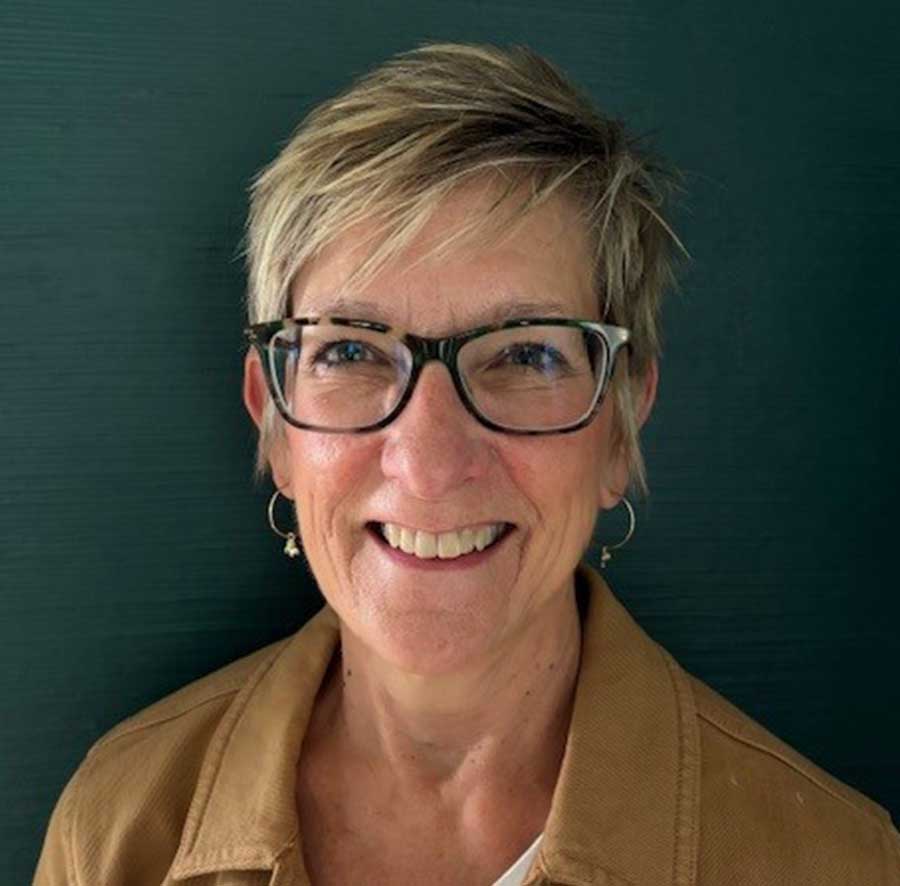 Lisa Vig, Gambling Addiction Counselor at Lutheran Social Services of North Dakota
NL: Can you share a little bit about your background?
LV: I’ve been a gambling counselor since 1991 and am also a licensed addiction counselor, certified international gambling counselor and board-approved clinical consultant. I have 30 years of experience at Lutheran Social Services and have been a provider in Minnesota for close to two decades, as I live in Fargo along the state border.
I have developed an online workbook for adults wanting to confidentially and privately explore their gambling through a program called "Gambler Healing." I have also provided clinical consultation to providers in Minnesota to help them with problem solving and to be successful in their treatment efforts.
NL: What prompted you to join the board?
LV: I love the providers in Minnesota. Susan does an amazing job and I just wanted to be part of that group, to expand my knowledge base and to offer insights from my experience.
NL: What do you hope you can contribute to the board and the mission?
LV: My 30 years of experience is a long time and I hope that’s valuable in some capacity. I also hope that I can help encourage new ventures and new opportunities that the alliance might want to be part of.
NL: Are there particular areas within problem gambling that are of special interest to you?
LV: I’m concerned about the rapid expansion of gambling and the associated public health concerns. I would like to be part of those solutions. I also hope that I can inspire others to get involved with this work. It’s very rewarding.
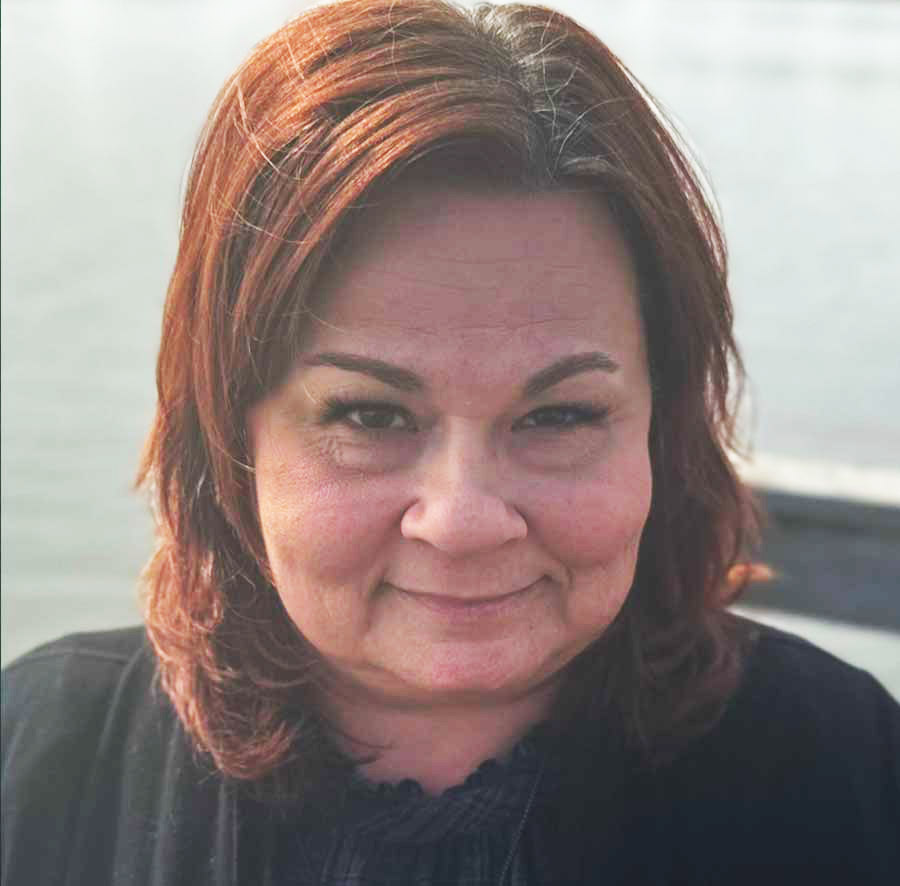 Amanda Jackson, Gambling Manager, Spring Lake Park Lions Club
NL: Can you share a little bit about your background?
AJ: After working part-time selling pull tabs, I became a gambling manager with the Spring Lake Park Lions in 2013 and am an active and proud Lions Club member. The funds we earn from our gambling operation are donated directly to the community. As I learned more about the industry, I joined the board of Allied Charities of Minnesota, a trade organization that serves as an advocate and resource to licensed Minnesota charities. I'm currently the vice president of Allied Charities and enjoy all the opportunities over the years I've had to advocate for charities doing great work for their missions and communities.
NL: What prompted you to join the board?
AJ: I met with Susan Sheridan Tucker about MNAPG and problem gambling. I realized right away that I have a lot to learn and joining the board will be an excellent opportunity for me to learn and become more involved in the mission.
NL: What do you hope you can contribute to the board and the mission?
AJ: I hope to share my perspective, experience and knowledge about the charitable gambling industry with MNAPG, and learn how to bring awareness to those I work with directly.
NL: Are there particular areas within problem gambling that are of special interest to you?
AJ: I'm interested in the people and the players. I hope that after learning more about problem gambling and the resources available that I'll be able to help someone. Addiction comes in all different forms and giving someone help and hope is a very important first step.
Nov 12, 2024 | ADVOCACY
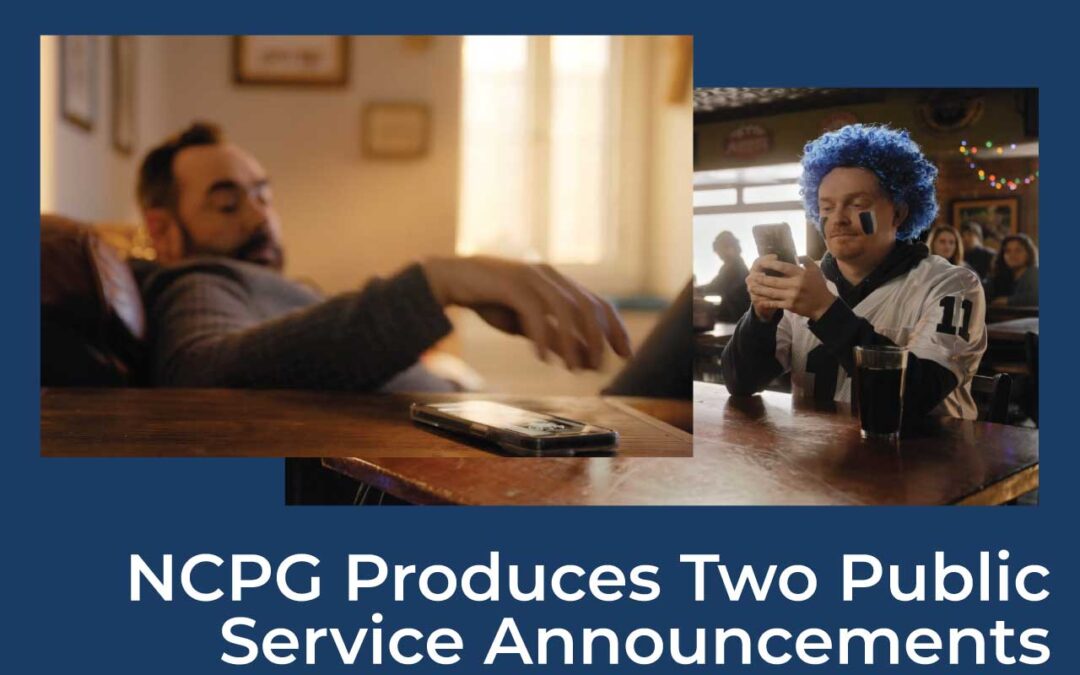
The National Council on Problem Gambling (NCPG) recently released the first two public service announcements (PSAs) in its 52-year history. Each PSA features a distinct message for a key audience. One highlights the National Problem Gambling Helpline (1-800-GAMBLER) and the other shares tips about playing responsibly if you gamble. You can view the videos at here.
The National Problem Gambling Helpline PSA features a frustrated gambler who receives numerous texts related to a gambling loss, a large cash withdrawal, his daughter’s recital, a marketing promotion on his next bet and, finally, the suggestion from a friend to contact 1-800-GAMBLER. It concludes with his attending his daughter’s recital, seemingly starting on his way to recovery.
“The goal is to educate people that this number exists,” says Cait Huble, director of communications at NCPG. “Research shows that only 45 percent of people know where to get help for a gambling problem. Like any other crisis, the first priority is for people to know that help is available and how to access it.”
The second PSA shares tips for making sports betting safer with those who choose to gamble. It features a referee dropping into a conversation between two people discussing sports wagers. The referee explains that gambling can be fun, but also risky. The referee outlines several tips for safer gambling, including setting a budget, not chasing losses and teaming up with a friend to maintain accountability. NCPG’s responsible play website (ResponsiblePlay.org) is promoted at the end of the message.
Both PSAs are included in free public awareness toolkits made available to all stakeholders and for use within communities. The toolkits, available on the NCPG website (NCPGambling.org), include a full suite of fact sheets and social media assets for download.
Starting in September, NCPG began running paid ad campaigns for both PSAs. Ads appear on social media, YouTube and various other streaming channels. Cait says NCPG hopes to amplify the messages through operators, community health organizations and state affiliates.
There is no current budget for placing the ads on broadcast television, but there’s hope for that in the future.
“We’re excited to release these PSAs” says Cait. “As we receive feedback and learn how people are responding to the messages, we hope there will be opportunities for additional campaigns.”